
Simple Steps to Keep Water Flowing Away From Your Home
Proper drainage during siding installation starts with managing how water moves behind and away from your walls. That means using a weather-resistant barrier, installing flashing in the right spots, and leaving small gaps that let trapped moisture escape. When water can drain and dry out fast, you lower the risk of rot, mold, and damage inside your walls.
What You Need Before Starting
Before any siding goes up, the wall system needs to be ready. Skipping this prep work can lead to costly problems later.
- A quality weather-resistant barrier, often called house wrap
- Flashing tape for windows, doors, and seams
- Metal or vinyl flashing pieces
- A level and tape measure
- Manufacturer instructions for your siding product
Whether you are working with vinyl, fiber cement, or engineered wood, the base layers matter just as much as the panels you see on the outside.
Step-by-Step Process for Proper Drainage
Good drainage during siding installation follows a clear order. Each step builds on the one before it.
- Install the weather-resistant barrier. Wrap the entire exterior wall. Overlap seams from bottom to top so water sheds downward.
- Tape all seams and penetrations. Seal around vents, pipes, and other openings to block water from sneaking behind the wrap.
- Add flashing around windows and doors. Place flashing tape along the bottom first, then the sides, then the top. This shingle-style method helps water drain out.
- Install starter strips and weep holes. These parts create a small gap at the bottom edge so water can drip out instead of getting trapped.
- Hang siding with correct spacing. Do not nail panels too tight. Leave slight room for expansion, especially with vinyl siding.
- Keep siding above the ground. Leave a gap between the bottom panel and soil, driveways, or decks. This reduces splash-back and moisture buildup.
When each layer overlaps the one below it, gravity does most of the work. Water moves down and out instead of sitting inside the wall.
Common Mistakes to Avoid
Many drainage issues happen because small details get ignored. Even one mistake can lead to water damage behind your new siding.
A common problem is reversed flashing. If the top flashing goes on before the bottom piece, water can flow behind it. Another mistake is sealing everything too tightly. While sealing gaps around windows is good, siding panels still need room to breathe.
Some installers also forget kickout flashing where the roof meets a wall. Without it, rainwater can pour down the siding and soak one concentrated area. Over time, that spot may show staining or rot.
Using the wrong fasteners can also cause trouble. Nails driven too deep can crack panels and create entry points for water.
When to Call a Professional
If your home already has signs of water damage, it is smart to talk with a professional before starting new siding installation. Soft wall sheathing, mold smells, or peeling interior paint may point to hidden moisture issues.
Homes with multiple rooflines, second stories, or complex window layouts also benefit from expert planning. Drainage details become more challenging with added height and angles.
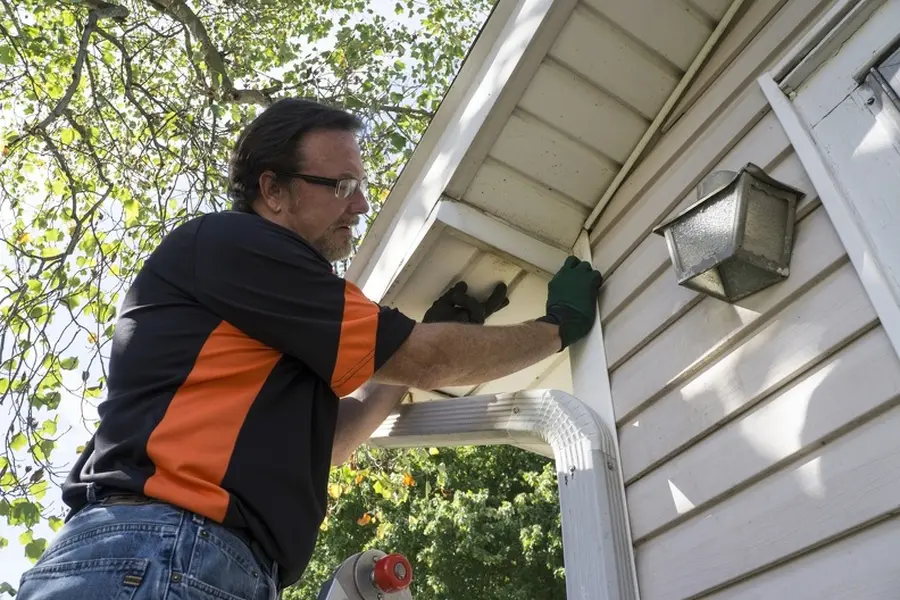
A trained crew understands how siding installation works as part of a full exterior system. That includes roofing edges, gutters, soffits, and downspouts. All these parts must guide water away from the structure.
Final Recommendation
Proper planning makes a big difference in how long your siding lasts. Focus on layering materials in the right order, flashing every opening, and leaving room for drainage at the bottom. If you want added peace of mind in River Rouge, MI, reach out to DP Gutter Installation Services for guidance on your project. We handle siding installation with careful attention to water control and long-term durability. Call us at (313) 776-0192 to schedule a consultation and let us help protect your home from hidden moisture problems.